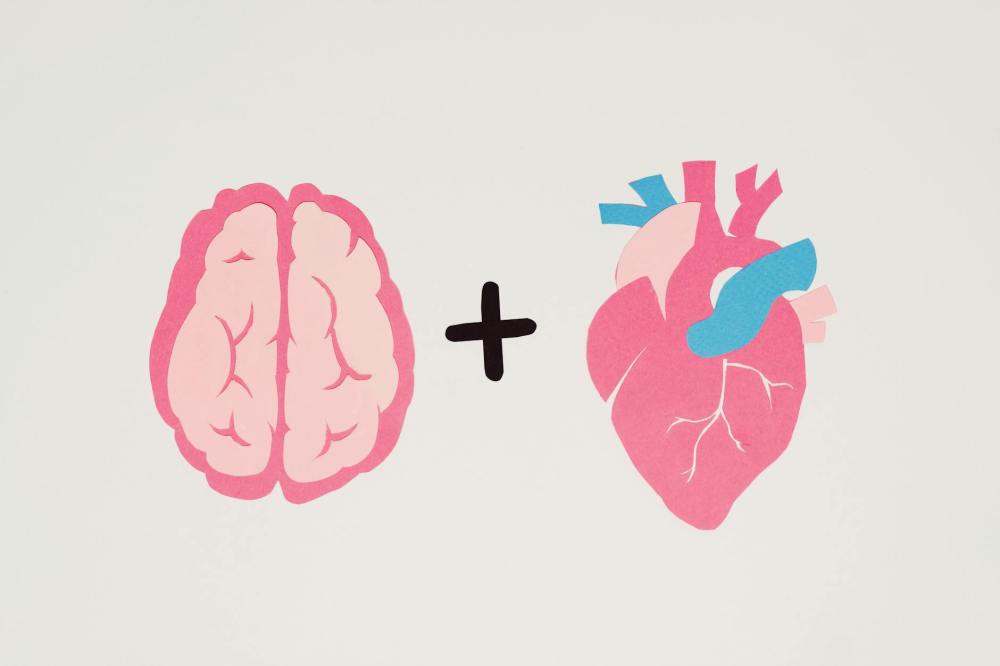
Why decision-making feels harder after deep inner work — and what’s really happening underneath
The Subtle Tension Between Freedom and Habit
After a period of deep inner work, many people expect their choices to feel clearer.
Instead, decision-making can suddenly feel… heavier.
Not dramatic.
Not chaotic.
Just quietly difficult.
You pause longer.
You hesitate more.
You second-guess decisions that once felt automatic.
This isn’t a loss of clarity.
It’s often the moment when old identity patterns are still operating — but no longer fully trusted.
What “Identity Patterns” Really Are
From a psychological perspective, identity patterns are learned strategies for navigating life, not personality traits.
They form through repetition, emotional reinforcement, and necessity.
Neuroscience shows that the brain favors:
- Familiar neural pathways (even when they’re outdated)
- Decisions that minimize uncertainty
- Strategies that once preserved safety or belonging
As described in decision-making research by Daniel Kahneman, much of our daily choice-making happens automatically — guided by habit, bias, and emotional memory rather than conscious reasoning.
Old identity patterns often sound like:
- “This is what people expect of me.”
- “This worked before — I shouldn’t risk changing it.”
- “I don’t fully trust this new impulse yet.”
They don’t feel wrong.
They feel responsible.
How Old Patterns Hijack Choice in Daily Life
This hijacking is rarely obvious. It shows up quietly:
🧑💼 Staying in roles or routines that feel “fine” but no longer meaningful
💬 Saying yes before checking whether you actually want to
🧱 Avoiding decisions that require redefining yourself
⏳ Overthinking small choices while postponing important ones
🎭 Choosing what maintains coherence rather than what brings vitality
These patterns once helped you function, belong, or stay safe.
But after inner work, they can begin to consume emotional energy instead of conserving it.
Why This Happens During Transition Phases
Transition phases are moments when integration lags behind awareness.
You may already sense that:
- Old motivations don’t fit anymore
- New values aren’t fully embodied yet
- Familiar decision rules feel hollow
From a developmental psychology perspective, this is expected.
Identity reorganization doesn’t happen instantly.
The nervous system needs time to test new internal reference points before trusting them.
This is why choice feels unstable — not because something is wrong, but because the internal authority that once decided for you is being renegotiated.
The Cost of Letting Old Patterns Stay in Charge
When outdated identity patterns continue to guide choice:
- Emotional energy leaks into maintenance and self-monitoring
- Decisions prioritize safety over alignment
- Growth feels stalled, even when insight is high
- Life begins to feel organized around keeping things working
This isn’t regression.
It’s misalignment between who you’ve become and how you’re still choosing.
Shift Your Mindset
If you’ve noticed hesitation, friction, or fatigue around decisions lately, it may be because your system is ready for a new way of choosing — one that doesn’t rely on habit, fear, or obligation.
So here’s the question to carry into the next post:
If old identity patterns are no longer trustworthy guides, what does decision-making feel like when it comes from the inside out?
In the final post of this series, we’ll explore:
How decision-making can be rebuilt from internal coherence rather than survival.
And what changes when your choices begin to reflect who you are now, not who you once needed to be.
➡️ If you’re ready for a quieter, more sustained relationship with your inner life, Inner Compass is for you.
✨Inner Compass — Annual Access
A year of weekly reflections focused on emotional maturity, inner coherence, and self-trust.
120 / year
For those who value inner mastery.
🎯Related posts:
14 Signs of Emotional Maturity You Should Know
How Emotional Energy Mismanagement Traps You in Maintenance Mode
What Happens to Your Mind and Mood When You Start Healing Your Traumas
Discover more from Soul & Suitcase
Subscribe to get the latest posts sent to your email.


Hello Aline – this is interesting, I’m listeneing to an audio book from Daniel Khanaman right now on this and we really are no good at making descions.I hope all is well with you 🙂
LikeLiked by 1 person
Hello, Simon.
Well, this a valid point of view.
I’m fine!
LikeLiked by 1 person
Glad to hear yo’re well 🙂
LikeLiked by 1 person
Very insightful.
LikeLiked by 1 person
Thanks, Anna!
LikeLiked by 1 person