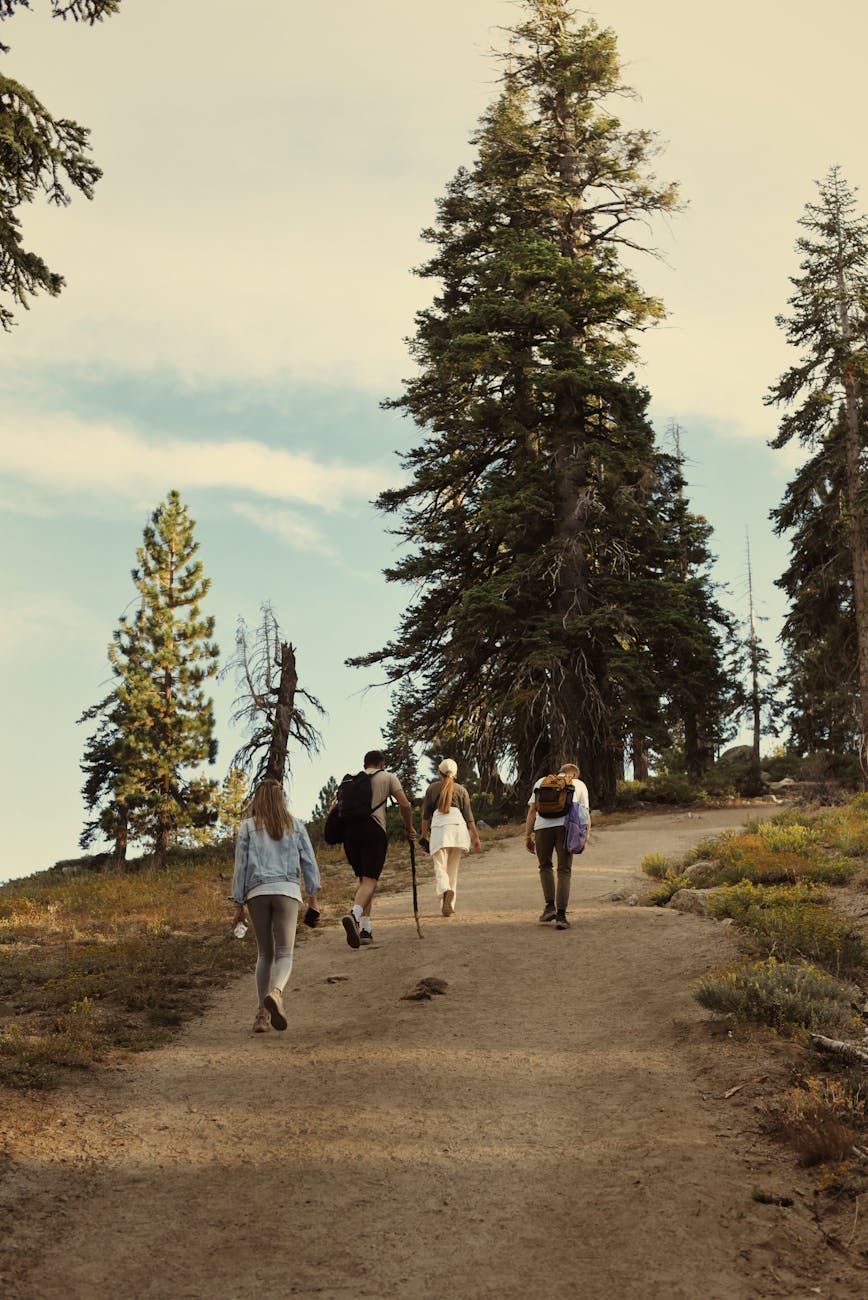
How inner exploration and outer environments quietly shape who we become
Human growth is often imagined as something purely internal — reflection, insight, mindset work.
Yet psychology, neuroscience, and even something as practical as travel point toward a shared observation:
Who we become is deeply influenced by where and how we move through the world.
Three Lenses, One Pattern
🧠 Jung: Growth Through Integration
Carl Jung described psychological development as individuation — the gradual integration of conscious and unconscious aspects of the self.
Interestingly, Jung frequently used symbolic journeys, landscapes, and encounters as metaphors for inner development.
Exploration, in his view, was never only external.
It reflected psychological integration happening beneath awareness.
Growth wasn’t about thinking harder.
It was about encountering new material — internally and externally — and allowing it to reshape identity.
🔬 Neuroscience: The Brain Responds to Context
Modern neuroscience confirms something similar through neuroplasticity:
- New environments stimulate new neural connections
- Novel sensory input expands perception
- Adaptation requires flexibility in both cognition and physiology
The brain doesn’t develop in isolation.
It reorganizes in response to what it repeatedly experiences.
💡 Change the environment, and perception often follows.
🌍 Travel: Perspective Through Exposure
Travel makes this visible in everyday ways:
- Feeling slightly different in unfamiliar places
- Noticing habits that seemed invisible at home
- Reconsidering priorities after seeing alternative lifestyles
Many people report increased self-awareness when outside their usual context — not because they tried to reflect more, but because contrast made perception clearer.
💡 Distance reveals pattern.
Where These Perspectives Meet
Across psychology, neuroscience, and lived experience:
- Exposure reshapes perception
- Identity evolves through experience, not insight alone
- Adaptation involves both mind and body
Growth tends to occur where familiarity loosens just enough to allow new information in.
Sometimes that happens internally.
Sometimes geographically.
Often both.
How This Shows Up Quietly in Real Life
- Feeling calmer or more alert depending on environment
- Noticing personal values shifting after exposure to different cultures or routines
- Recognizing parts of yourself that only appear outside familiar roles
These shifts rarely feel like transformation in the moment.
They often register later as subtle reorientation.
Because growth doesn’t always begin with analysis.
Often it starts with context.
A new place.
A new rhythm.
A different conversation.
And perhaps the most interesting question isn’t how much you explore…
…but what parts of you become visible when the environment changes.
➡️ If you’re ready for a quieter, more sustained relationship with your inner life, Inner Compass is for you.
✨Inner Compass — Annual Access
A year of weekly reflections focused on emotional maturity, inner coherence, and self-trust.
120 / year
For those who value inner mastery.
🎯Related posts:
3 Interesting Ways Traveling Can Make You Grow
10 Social Skills You Can Improve Through Traveling
Why Emotional Intelligence Beats IQ for Life Success
Discover more from Soul & Suitcase
Subscribe to get the latest posts sent to your email.


Very timely and helpful post. Thanks Aline.
LikeLiked by 1 person
Thanks for the feedback, Brad. I really appreciate it! 🙂
LikeLike
Maybe bit’s of us show up when we’re somewhere different… love the thinking here.
LikeLiked by 2 people
I’m glad you could relate, Simon. Thanks for your kindness!
LikeLiked by 1 person
Alwys welcome Aline 🙂
LikeLiked by 1 person