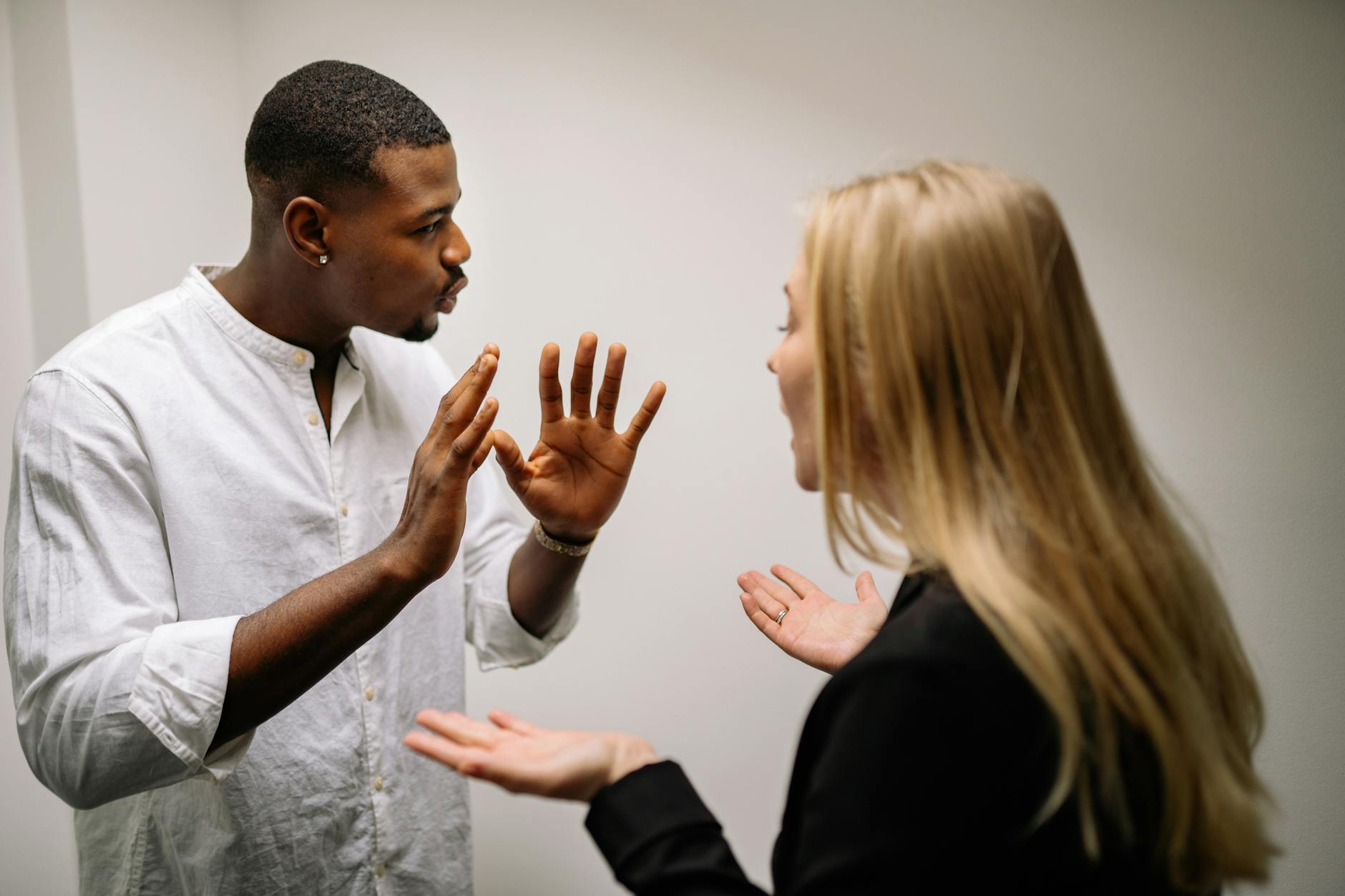
🌿 Why Do We Confuse Pain with Love?
If you’ve ever found yourself stuck in a relationship that feels addictive, confusing, or even painful — yet incredibly hard to leave — you may not be experiencing love, but something called trauma bonding.
Trauma bonding happens when intense emotional experiences (especially involving fear, inconsistency, or manipulation) get wired into our nervous system as connection.
It often begins in childhood — when love and pain were intertwined — and follows us into adulthood, especially in romantic relationships.
Trauma bonds can feel magnetic and deeply familiar because they recreate dynamics we unconsciously learned early on:
“I have to earn love.”
“If I try harder, they’ll change.”
“Chaos means passion.”
But here’s the truth: Love shouldn’t hurt, confuse, or shrink you.
Let’s break down the difference between trauma bonding and real love — and how to break free.
⚖️ Real Love vs. Trauma Bonding
| 💖 Real Love | 💔 Trauma Bonding | |
|---|---|---|
| Safety | Feels calm, grounded, and emotionally safe | Feels intense, unpredictable, and unstable |
| Consistency | Actions match words over time | Hot-and-cold behavior keeps you guessing |
| Respect | Boundaries are honored and discussed | Boundaries are blurred or disrespected |
| Support | You feel emotionally seen and encouraged | You feel judged, controlled, or dismissed |
| Self-Trust | You grow in confidence and clarity | You feel confused, anxious, or obsessive |
| Conflict | Disagreements are resolved with care | Fights are explosive, manipulative, or cyclical |
| Emotional Pattern | Steady, warm, and reciprocal | Addictive highs and lows; “rollercoaster” feeling |
| Attachment Style | Secure, mutually invested | Often anxious-avoidant or co-dependent |
🧠 Why It’s So Common
Many of us grew up in homes where love came with conditions, silence, or volatility.
If we weren’t consistently soothed, validated, or emotionally supported, our brain associated inconsistency and stress with connection.
In trauma bonding, our nervous system confuses intensity with intimacy, and we stay in unhealthy relationships trying to “win” the love we never got — believing if we’re just good enough, patient enough, quiet enough, we’ll finally be loved.
🛠️ How to Heal and Choose Real Love
1. Name the Pattern
Journaling or therapy can help you map past and present relationship patterns. Ask: Do I feel safe, seen, and supported — or addicted, anxious, and exhausted?
2. Heal the Inner Child
Trauma bonds are driven by unhealed emotional wounds. Reparenting your inner child with love, boundaries, and safety helps break the cycle.
3. Strengthen Your Nervous System
Use somatic practices (like breathwork, grounding, or EFT) to regulate emotional responses and stop chasing chaos.
4. Learn and Practice Secure Attachment
Read books like Attached (Amir Levine) and practice receiving love in calm, stable relationships — even if it feels unfamiliar at first.
5. Therapy Helps — a Lot
Approaches like Internal Family Systems (IFS), EMDR, or Attachment-Focused Therapy are highly effective in trauma recovery and relationship repair.
💖Gentle Reminder
If you’ve confused trauma bonding for love, it means you were wired for survival, not happiness. But now, you get to rewire for something better.
Love should feel safe, nourishing, and expansive. It should bring you closer to yourself, not pull you apart.
And healing is possible — one conscious, courageous step at a time. 🌹
✨Inner Compass — Annual Access
A year of weekly reflections focused on emotional maturity, inner coherence, and self-trust.
120 / year
For those who value inner mastery.
🎯 Check the related posts:
Understanding The Inner Child — Light, Shadow, And Its Influence On Adult Life (Inner Compass #12)
Top Ways Women Give Away Power in Romance
How You Can Be Giving Your Power Away
Discover more from Soul & Suitcase
Subscribe to get the latest posts sent to your email.


Love is patient and love is kind and there is no better feeling than feeling real love. Thank you for this post, Aline.
LikeLiked by 1 person
You said it all, Beth. Thank you for coming by! 😘😘
LikeLike