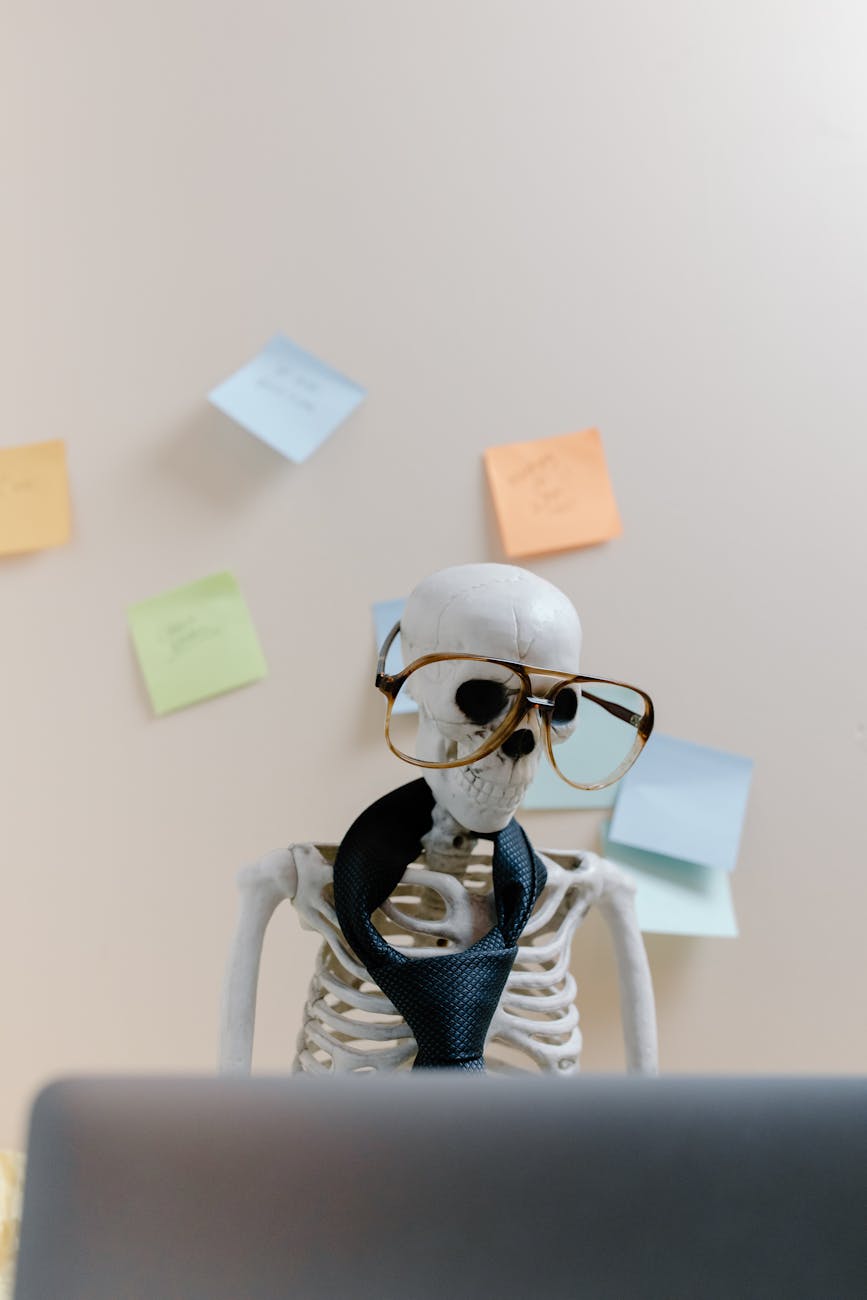
Have you ever noticed how, even with all the comfort and technology at our fingertips, so many of us feel drained, anxious, or stuck on autopilot?
Neuroscience and anthropology show us why:
Our brains and bodies are still wired
for a lifestyle
of
slower
rhythms,
deep
connection,
and
closeness to nature.
But modern life
asks us
to
go
faster,
do more,
and be
constantly
“on.”
The result is a growing gap between what humans need to thrive and what society demands of us.
And in that gap, stress, exhaustion, and disconnection creep in.
🌍 The Clash Between Human Needs and Modern Demands
1. Productivity vs. Rest
✅ Our need: Brains work best in cycles, alternating effort and recovery.
⛔ Modern reality: Hustle culture glorifies exhaustion, with emails at midnight and endless to-do lists.
🏃♀️ A typical example: Sarah wakes up and checks her phone before her feet hit the floor. By 10 a.m., she’s already drained from back-to-back meetings.
🧘♀️ A balanced alternative: She could take 5 minutes of mindful breathing before opening her laptop, boosting clarity and calm.
2. Community vs. Isolation
✅ Our need: Humans evolved in tribes. Connection regulates our nervous system.
⛔ Modern reality: Social media “likes” replace genuine intimacy, leaving us lonelier than ever.
🏃♀️ A typical example: John scrolls Instagram during lunch but feels strangely empty afterward.
🧘♀️ A balanced alternative: Imagine if he invited a coworker to eat together, sharing laughs and reducing stress in real time.
3. Nature vs. Concrete
✅ Our need: Just 20 minutes outdoors lowers stress hormones and blood pressure.
⛔ Modern reality: Long commutes, gray offices, and little sunlight.
🏃♀️ A typical example: Emily spends her entire day under fluorescent lights and wonders why she’s irritable.
🧘♀️ A balanced alternative: A short walk in the park on her break would reset her mood and energy.
4. Movement vs. Sedentarism
✅ Our need: Movement sharpens focus and emotional resilience.
⛔ Modern reality: Desk jobs and binge-watching keep us still for hours.
🏃♀️ A typical example: Mike works eight hours at a desk, then collapses on the couch for Netflix. His back aches, and his mind feels foggy.
🧘♀️ A balanced alternative: Even a 10-minute stretch between tasks would refresh his body and sharpen his thoughts.
5. Presence vs. Constant Stimulation
✅ Our need: Silence and stillness allow the brain to integrate and recharge.
⛔ Modern reality: Notifications and multitasking hijack attention.
🏃♀️ A typical example: Anna cooks dinner while answering messages and half-listening to her kids. She ends the evening exhausted and guilty.
🧘♀️ A balanced alternative: By putting her phone aside for 30 minutes, she could be fully present and feel more fulfilled.
🛠️ Practical Ways to Reclaim Balance
You don’t need to escape modern life to feel better. Try these small shifts:
✅ Embrace your natural rhythms: Work in focused sessions, then rest
✅ Foster real connections: Share meals, call a friend, talk face-to-face.
✅ Seek nature daily: A walk, fresh air, or even tending a plant.
✅ Move often: Stretch, walk, dance, or try active breaks.
✅ Unplug regularly: Silence notifications and practice screen-free time.
💡 Balancing Things Out
Modern life often demands speed, productivity, and screens.
But if we ignore our human needs—such as rest, love, nature, movement, presence—we may lose touch with what makes us truly human.
✨Inner Compass — Annual Access
A year of weekly reflections focused on emotional maturity, inner coherence, and self-trust.
$120 / year
For those who value inner mastery.
🎯 Check the related posts:
When My Biggest Struggle Turned Into a Passion
7 Behaviors Sabotaging Your Emotional Healing
Do You Know Who You Really Are? (Inner Compass #10)
Discover more from Soul & Suitcase
Subscribe to get the latest posts sent to your email.


Great post, so many takeaways! 😎
LikeLiked by 1 person
Thank you for the feedback, Daryl. ☺️
LikeLiked by 1 person